
An erotic photograph can communicate desire, but the strongest images often communicate something more complicated: trust, vulnerability, playfulness, restraint, and the sense that the people in front of the camera are participating by choice. For adult-fetish audiences, that distinction matters. Kink may involve power exchange, sensation play, role-play, exhibitionism, intimacy, or simply the pleasure of being photographed within a particular dynamic. A compelling image does not need to reduce any of those elements to shock.
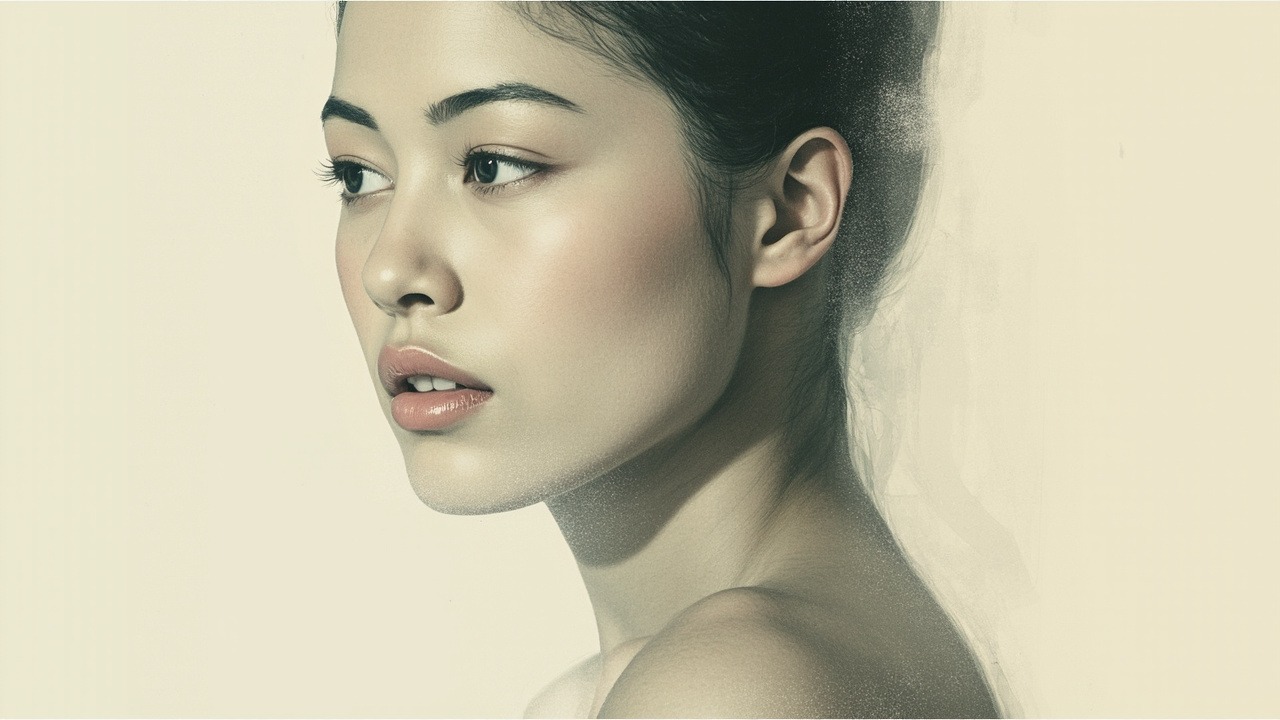
Behind the Erotic Image: Trust, Kink, and the Art of Being Seen
The Source’s Creative Frame
In its April 8, 2026 post, “Finding Space in Photography for Erotica,” Zasey Photography places attention on the setting and emotional atmosphere surrounding an erotic shoot. The accompanying summary introduces the idea through a focus on connection and the raw beauty of erotica photography for couples.
Capturing Connection: The Raw Beauty of Erotica Photography for Couples
That framing invites a useful shift in emphasis. Erotica is often discussed through physical presentation, but the presence of trust between partners can be just as visible as pose, styling, or setting. A shared glance, deliberate touch, or moment of stillness can reveal how two adults inhabit a scene together. The camera records more than attraction; it records the relationship and negotiation behind the image.
Broader Kink-Community Context
Beyond the source’s specific creative focus, kink communities offer a broader context for understanding erotic photography. “Kink” is a wide term rather than a single practice or relationship structure. People may explore dominance and submission, bondage, sensory play, role-play, age play, medical or examination themes, ritual, humiliation, praise, or other interests. A person’s interests and preferred dynamics do not have to resemble one another.
A scene is an agreed-upon encounter in which participants explore those interests together. It may be private, staged for an audience, documented in photographs, or some combination of those choices. Photography adds another layer: it can preserve memory, create artistic work, support a couple’s erotic life, or connect performers with an adult-fetish audience. Each purpose calls for a different balance of direction, spontaneity, and privacy.
Consent Must Remain Active
Consent is not completed by signing a release or agreeing to a concept before the shoot. It remains active throughout planning, posing, costume changes, physical contact, breaks, and image review. This is especially important when erotic photographs involve partial nudity, implied intimacy, or dynamics associated with power. The fact that someone appears comfortable in one frame does not establish consent for a different pose or a more exposed image later.
A productive planning conversation can cover the shoot’s purpose, boundaries, wardrobe, props, touch, positions, and intended level of nudity. Participants should distinguish hard limits from preferences that may be open to negotiation. They can also agree on a safeword, gesture, or other signal that means pause immediately. A photographer who understands the dynamic will know when to check in without treating uncertainty as an invitation to continue.
- Define what is off-limits and what may be negotiated.
- Discuss physical contact and who may initiate it.
- Agree on poses, clothing, props, and levels of exposure.
- Choose a clear pause or stop signal.
- Clarify who directs the scene and how decisions are made.
- Review how finished images may be viewed, shared, and published.
- Allow time to stop, change minds, or leave the session.
Trust Is Part of the Direction
Good erotic direction is collaborative. The photographer can shape light, composition, pacing, and visual mood while leaving participants genuine agency over their bodies and boundaries. “Relax” is rarely useful direction on its own. More constructive choices describe what the image needs: where to look, how close to move, whether touch should appear initiated or received, or how much space to leave between bodies.
In a kink scene, visual shorthand should never replace conversation. A dominant pose does not automatically mean a participant wants every implication associated with that pose to appear in the final image. Likewise, vulnerability in front of a camera does not remove anyone’s authority to pause or revise the plan. Trust grows when control over consent remains clear even while the photographed dynamic explores surrender or intensity.
Photograph Connection, Not Just Fetish
The most memorable erotica often includes narrative details. Eye contact can suggest a private exchange between partners. Hands placed carefully on a wrist, waist, or shoulder can communicate restraint without requiring explicit action. Familiar objects, room details, clothing, and lighting can make a scene feel inhabited rather than interchangeable.
For couples, the photographer should avoid presenting one partner as objectified while the other appears to direct them. Both adults should retain agency, even when the image portrays a power imbalance. It is also worth looking beyond familiar clichés when representing kink. Not every dominance scene needs formal leather, every submission scene does not need obvious distress, and every intimate portrait does not need the same detached editorial expression.
Decide What Happens After the Shoot
The most important privacy decision may happen after everyone puts the camera down. Participants should know whether images are intended only for private use, whether they will be posted online, which crops are acceptable, and whether alternate versions will be archived. Releases, publication terms, watermarking, and storage arrangements deserve direct discussion rather than assumptions based on the relationship.
A debrief can be just as valuable as the pre-shoot conversation. Participants can identify images that feel accurate, poses that felt forced, and moments they would approach differently next time. Giving someone control over crops or requesting that certain images not be published can help preserve that sense of agency after the session ends.
Erotica Can Hold Trust and Desire Together
The conversation opened by Zasey Photography is valuable because it reminds photographers and audiences alike that erotic imagery is not only about bodies or intensity. When consent, communication, and connection are visible in the process, they can also shape the photograph. The camera may capture power exchange, but it should never conceal the person’s right to choose, change the scene, or say stop.
For kink relationships and community members, the goal need not be to make every image maximally explicit. It can be to create work that feels honest, carefully negotiated, and emotionally alive—images in which an audience senses not only what happened, but also the trust that made it possible.
Source: Zasey Photography