
A fresh YKF Cinema Show installment brings an ’80s pop-culture favorite into an adult-fetish conversation. On August 25, 2026, Your Kinky Friends published a new episode of The YKF Cinema Show built around The Last Dragon. Delvin Cox, host of The Delvin Cox Experience, joins the conversation for what the announcement calls an entertaining deep dive into the 1985 martial arts, music, and pop-culture film.
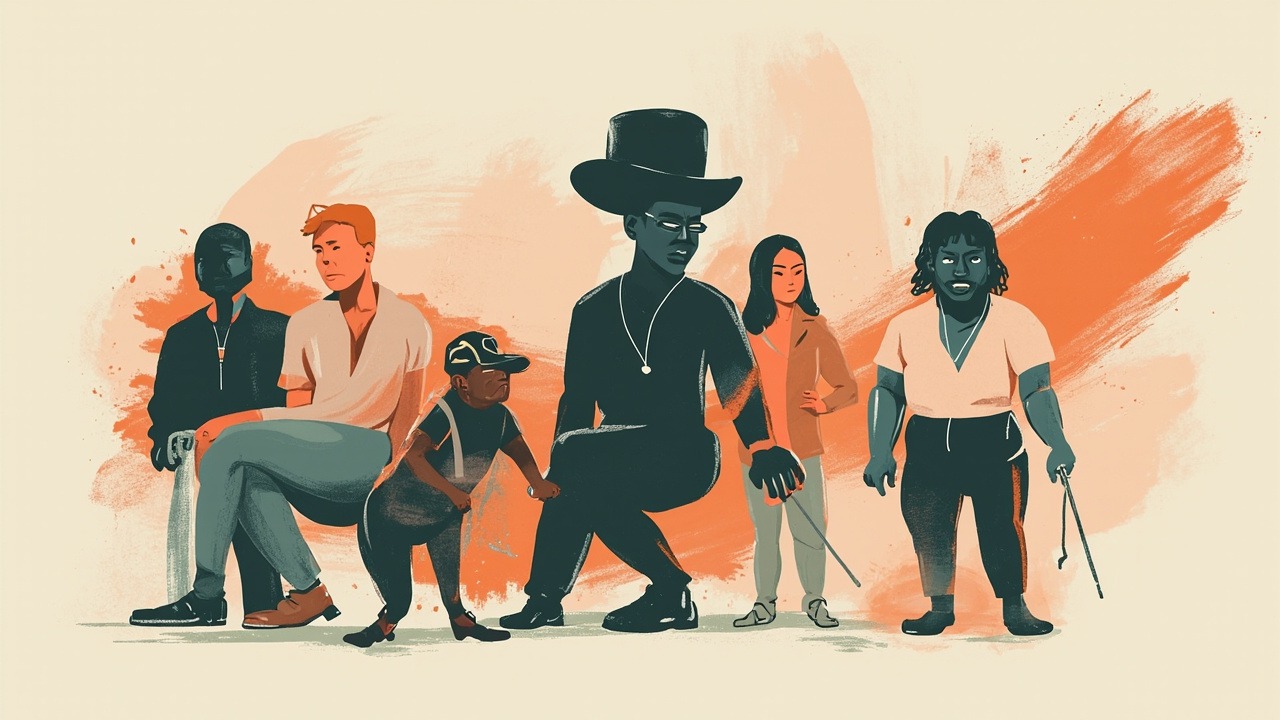
The Last Dragon, Motown, and a New Kink-Culture Conversation
The published premise moves from Bruce Leroy and “The Glow” to Sho’nuff, the Shogun of Harlem, Eddie Arkadian, and Laura Charles, while also foregrounding the film’s legendary Motown soundtrack. Those details signal a broad retrospective in which character, music, style, and nostalgia all have a place. What the announcement does not say is that The Last Dragon is a kink film, that the episode offers relationship advice, or that it stages or demonstrates a scene. Making that boundary clear is important: an attractive theme should never be treated as evidence of anyone’s private desires.
Community Context, Not Episode Reporting
General background: Adult-fetish and kink communities are not monolithic. Some people are drawn to specific practices, others to power dynamics, aesthetics, roles, humor, music, or simply the pleasure of discussing taboo subjects with people who understand the context. A movie show can offer a relatively low-pressure way into those discussions because everyone can comment on a film before revealing anything more personal. The conversation can remain cultural even when it later opens careful questions about relationships and scenes.
That kind of entry point is especially useful because fictional power is not the same as negotiated power. A character may command a room, wear a symbolic costume, or defeat an opponent, but those details create no obligations in real life. In consensual kink, any power exchange is built on communication, boundaries, and the ability to pause or stop. Fantasy can be compelling precisely because a scene can be treated as a bounded, shared experiment rather than a model for everyday life.
Questions the Discussion Can Spark
For readers considering the episode—or thinking about watching with a partner or scene group—the film’s mixture of archetypes and spectacle offers several adult-fetish-friendly discussion prompts:
- Separate attraction from assumption. Enjoying Sho’nuff’s villainy or “The Glow” says nothing by itself about whether someone wants to roleplay domination, submission, exhibitionism, or any particular act.
- Compare tone, not instructions. Ask which visual or musical elements create excitement: menace, confidence, rivalry, fashion, movement, sound, or something else. Different answers can inspire very different scene ideas.
- Keep “no” easy and visible. If the discussion moves toward roleplay, establish boundaries and a check-in method beforehand. Enthusiasm for the source material is not consent to a planned dynamic.
- Allow preferences to stay private. Someone may want to analyze the film, share nothing about their kink life, and still feel welcome. Community participation should never require disclosure.
From Fantasy to a Consensual Scene
General background: Fantasy and action are not instructions. A villain’s authority, a hero’s confidence, or a character’s costume may carry certain meanings for one viewer and completely different associations for another. Before turning any of those impressions into roleplay, partners should discuss what appeals to them, what boundaries apply, and what will happen if either person wants to pause or stop.
These conversations can be helpful in relationships as well as scenes. A couple may use an episode as a low-pressure way to discuss contrasting tastes: one person finds a character aspirational, while another finds the same figure threatening. That difference does not automatically signal incompatibility. It may simply show that symbols carry different meanings for different people—a gap better addressed through questions than assumptions.
Why an Older Film Still Has Value
The show also illustrates a broader community value: people do not need identical interests to participate in a shared cultural conversation. A film watched years ago can acquire new meaning as viewers change, as new partners enter the picture, or as old stories are discussed by communities that were not part of the original audience. Four decades after the film’s 1985 release, its martial arts energy, larger-than-life characters, and celebrated music remain approachable material for reinterpretation.
Still, listeners should enter with curiosity rather than certainty. Based on the published announcement, the episode is presented as entertainment and cultural analysis, not as a definitive guide to kink. It may reward interest in The Last Dragon; it should not be treated as an authority on relationships, consent, or scene planning. The conversation can be a useful prompt, while direct communication remains essential whenever real boundaries are at stake.
Culture Can Open a Door
For kink communities, the broader point is not that every fan discussion should become erotic. It is that shared media can help adults talk about power, identity, attraction, and aesthetics without demanding immediate action. Strong community spaces make room for spectators, scholars, casual fans, experienced players, and people who are still deciding what they want. A cinema conversation can belong to all of them.
Shared culture does not replace consent; it can give consent better language.
The Last Dragon offers action, music, and memorable archetypes. The YKF Cinema Show brings those ingredients into a kink-aware setting. Whether that conversation inspires a date-night discussion, a scene-planning exercise, or simply an engaging show listen, its strongest role is the same: opening a door while leaving every participant free to choose whether—and how—to walk through it.
Source: Your Kinky Friends